
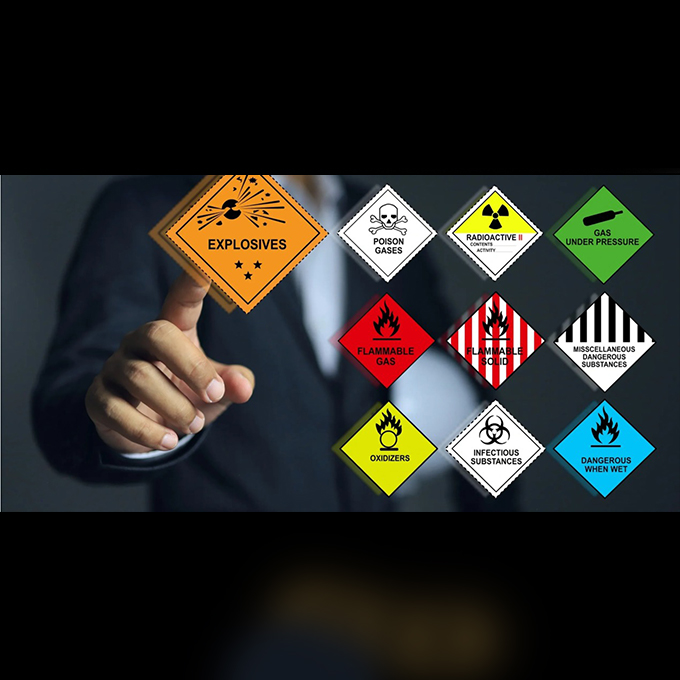
What are Dangerous Goods?
Dangerous goods, or DG, are cargo classified as hazardous and require special handling, storage, and transport. Each shipment is accompanied by an MSDS (Material Safety Data Sheet), also known as SDS (Safety Data Sheets), detailing the substance’s hazards, safe handling practices, and emergency procedures. Additionally, there’s a UN number, a four-digit code that identifies the specific hazardous material.
At IBEX, we have a team with IMDG Certified and good knowledge of handling Dangerous Goods as per IMDG Code in addition to the IBEX Regulation (IBEX P&R House rule). We are doing its best to safely transport dangerous goods in consideration of not only the cargo conditions but also the vessels, the ports, and marine environments.
DG Class
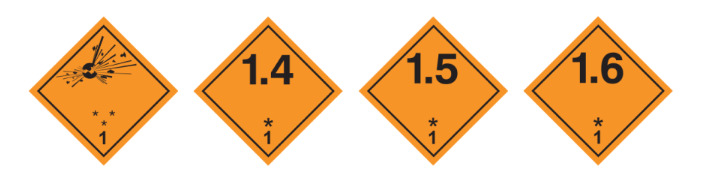
Class 1
Explosive substances or articles (ex. Dynamite, Gunpowder, Fireworks, Rocket propellants)
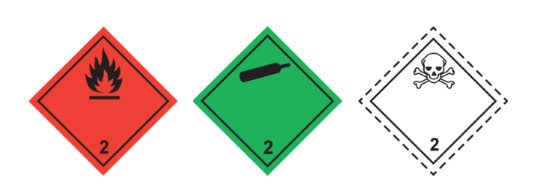
Class 2
Flammable, Non-Flammable, Non-Toxic, Toxic gases (ex. Hydrogen, Methane, Propane, Butane)
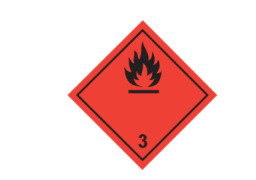
Class 3
Flammable liquid (ex. Perfumery, Gasoline, Alcohol, Kerosene,Acetone)

Class 4
Flammable solids, self-reactive substance, polymerizing substances and solid desensitized explosives, Substances liable to spontanesous combustion, Substances which, in contact with water emit flammable gases (ex. Matches, Hay, Straw, Phospor, Camphor)
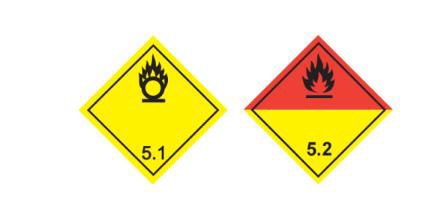
Class 5
Oxidizing substances, Organic peroxides (ex. Hydrogen peroxide, Acetyl peroxide, Nitric acid, Potassium permanganate)
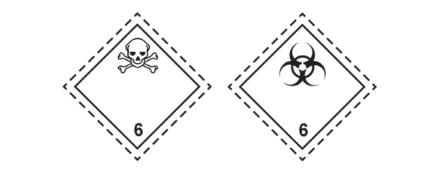
Class 6
Toxic substance, Infectious substances (ex. Blood samples, Rat poison, Pesticide, Cyanide, Infectious waste)
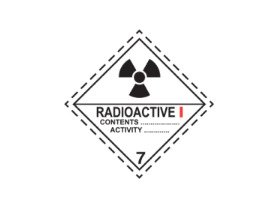
Class 7
Radioactive material (Ex. Uranium, X-ray machines, Smoke alarms (radioactive isotope)
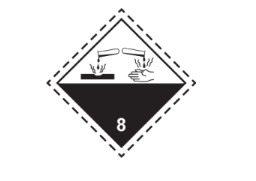
Class 8
Corrosive substances (ex. Acids, Mercury, Alkalis, Battery)

Class 9
Miscellaneous dangerous substances and articles, including environmentally hazardus substances (ex. Dry ice, Asbestos, Chemical kits, Lithium battery, Air-bag, Vehicle)

Others
Environmentally hazardous substances, Limited quantity dangerous goods (ex. Bispenol-A, Aerosols)